
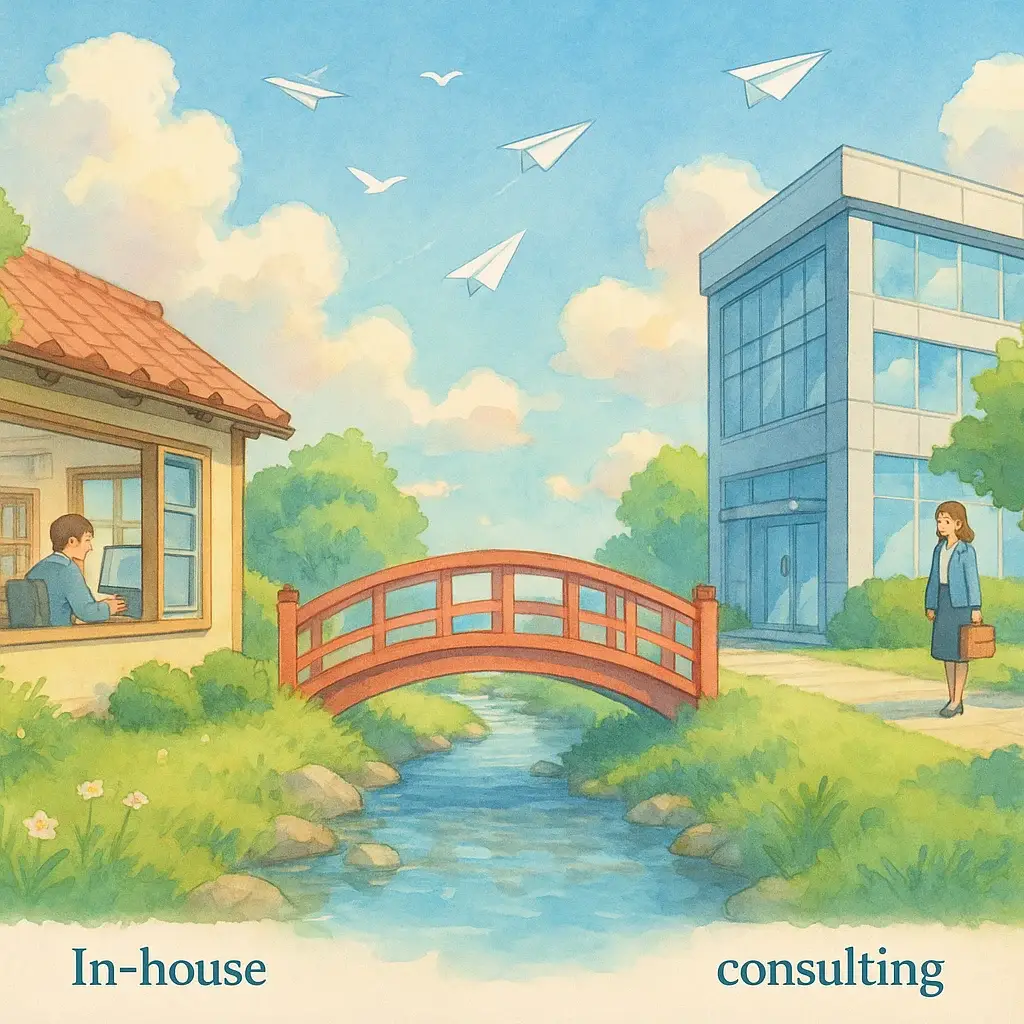
Overview: The Implementation Dilemma
Choosing between a Salesforce partner and an in-house team is one of the most consequential decisions you'll make in your Salesforce journey. This choice impacts not just your initial implementation, but the long-term success and evolution of your platform.
The Stakes Are High
- Financial Impact: The two models put money in different places: fees up front for a partner, salaries for years for a team
- Timeline Variance: An in-house team has to be hired and trained before it can build, so it starts later
- Delivery Risk: A team doing its first Salesforce implementation has not yet met the problems an experienced partner has already solved
- Long-term TCO: The gap in total cost of ownership grows with every year you run the platform
Key Considerations
Before diving into the comparison, consider these fundamental questions:
- What is your organization's core competency?
- How complex is your Salesforce implementation?
- What are your timeline constraints?
- What's your risk tolerance?
- How important is ongoing innovation?
Understanding the Partner Model
What It Means to Work with a Partner
Engaging a Salesforce partner means bringing in external expertise to lead or support your implementation. Partners range from boutique consultancies to global system integrators.
Advantages of the Partner Model
1. Immediate Expertise
- Access to certified professionals from day one
- Experience across multiple industries and use cases
- Pre-built accelerators and best practices
- Knowledge of common pitfalls and how to avoid them
2. Faster Time to Value
- Typical partner implementation: 3-6 months (illustrative; your scope sets the real figure)
- Established methodologies and frameworks
- Parallel workstreams capability
- Rapid problem resolution
3. Risk Mitigation
- Fixed-price or capped engagement options
- Contractual SLAs and guarantees
- Insurance and liability coverage
- Proven track record
4. Scalability and Flexibility
- Scale team up or down as needed
- Access to specialized skills on-demand
- No long-term employment commitments
- Geographic and timezone coverage
Disadvantages of the Partner Model
1. Higher Hourly Costs
- Partner day rates sit well above an employee's loaded cost
- Premium for expertise and flexibility
- Additional markup on resources
- Travel and expense costs
2. Knowledge Transfer Challenges
- Critical knowledge may leave with consultants
- Dependency on documentation quality
- Ongoing support costs
- Potential vendor lock-in
3. Cultural Alignment
- External team may not understand company culture
- Different working styles and expectations
- Communication barriers
- Less investment in long-term success
Understanding the In-House Model
Building Your Own Salesforce Team
The in-house model involves hiring and training your own Salesforce professionals to handle implementation and ongoing management.
Advantages of the In-House Model
1. Deep Business Knowledge
- Intimate understanding of your business
- Aligned with company culture and values
- Long-term commitment to success
- Direct stakeholder relationships
2. Lower Long-term Costs
- No consultant markups
- Salaries vs hourly rates
- Economies of scale over time
- Investment in your own assets
3. Control and Ownership
- Complete control over priorities
- Direct management of resources
- Intellectual property retention
- Custom development approaches
4. Continuous Improvement
- Ongoing optimization and enhancement
- Immediate response to business changes
- Institutional knowledge building
- Career development opportunities
Disadvantages of the In-House Model
1. Slow Ramp-Up
- 3-6 months to hire qualified staff (illustrative)
- 6-12 months for team to become effective (illustrative)
- Learning curve on best practices
- Trial and error approach
2. Talent Acquisition Challenges
- Competitive market for Salesforce talent
- High salary expectations
- Geographic limitations
- Retention difficulties
3. Hidden Costs
- Recruitment fees for each hire
- Training and certification for each person
- Benefits and overhead on top of salary
- Management overhead
4. Limited Expertise Breadth
- Narrow experience base
- Gaps in specialized skills
- Lack of cross-industry insights
- Slower problem resolution
Comprehensive Cost Comparison
Initial Implementation Costs
Partner Model:
- Fees scale with the number of clouds, integrations and data migrations in scope
- A single-cloud implementation costs far less than a multi-cloud program
- Ask for fixed-price phases so you can compare quotes like for like
- Typical duration: 3-6 months (illustrative)
In-House Model:
- Recruitment costs for every role you hire
- Salaries paid during ramp-up, before the team delivers
- Training and certification for the whole team
- Typical duration: 9-18 months (illustrative)
Ongoing Annual Costs
Partner Model (Retained Support):
- A support retainer sized to your release cadence
- Ad-hoc enhancements, priced per piece of work
- Major upgrades: Additional project costs
In-House Model:
- Team salaries, every year
- Benefits and overhead
- Training and development to keep up with three Salesforce releases a year
- Tools and infrastructure
5-Year Total Cost of Ownership
Put your own quotes and salary bands into the lines above and add them up over five years. The pattern usually looks like this:
Scenario 1: Simple Implementation
- A partner usually costs less, because you stop paying when the work stops
- An in-house team carries salaries long after the build is done
Scenario 2: Complex Implementation
- The gap narrows as the partner bill grows with scope
- In-house costs stay closer to flat, but the team has to exist first
Scenario 3: Continuous Innovation
- With constant change, the two models can cost about the same
- The choice then turns on control, speed and who keeps the knowledge
Timeline and Speed Analysis
Implementation Speed Comparison
Partner-Led Timeline:
- Week 1-2: Kickoff and discovery
- Week 3-4: Design and architecture
- Week 5-12: Configuration and development
- Week 13-16: Testing and training
- Week 17-20: Deployment and hypercare
In-House Timeline:
- Month 1-3: Team recruitment
- Month 4-6: Training and certification
- Month 7-8: Discovery and design
- Month 9-14: Configuration and development
- Month 15-16: Testing and training
- Month 17-18: Deployment
Speed to Innovation
Partner Advantages:
- Immediate access to new features
- Pre-built industry solutions
- Cross-client learnings
- Rapid prototyping
In-House Advantages:
- Continuous small improvements
- Immediate response to needs
- Deep integration possibilities
- Custom innovation
Time to a working org
A partner starts building. A team starts hiring.
Partner-led
In-house
- Weeks 1-2: kickoff and discovery
- Months 1-3: recruit the team
- Weeks 3-4: design and architecture
- Months 4-6: training and certification
- Weeks 5-12: configuration and development
- Months 7-8: discovery and design
- Weeks 13-16: testing and training
- Months 9-14: configuration and development
- Weeks 17-20: deployment and hypercare
- Months 15-18: testing, training and deployment
Expertise and Skill Evaluation
Partner Expertise Profile
Strengths:
- Certified professionals (ask for each consultant's certifications on Trailhead)
- Cross-industry experience
- Best practice knowledge
- Specialized skills (Integration, CPQ, Industries)
- Vendor relationships
Limitations:
- Surface-level business knowledge
- Generic solutions tendency
- Limited availability
- Knowledge transfer dependency
In-House Expertise Profile
Strengths:
- Deep business understanding
- Stakeholder relationships
- Long-term vision alignment
- Custom solution development
Limitations:
- Limited external perspective
- Slower skill development
- Narrower technical expertise
- Single-company experience
Risk Assessment Framework
Partner Model Risks
High Probability, High Impact:
- Knowledge transfer gaps
- Scope creep and change orders
- Consultant turnover
High Probability, Low Impact:
- Communication challenges
- Time zone differences
- Documentation quality
Low Probability, High Impact:
- Partner bankruptcy or acquisition
- Data security breach
- Complete project failure
In-House Model Risks
High Probability, High Impact:
- Key person dependency
- Technical debt accumulation
- Talent retention challenges
High Probability, Low Impact:
- Slower delivery
- Learning curve mistakes
- Limited innovation
Low Probability, High Impact:
- Team exodus
- Major technical failure
- Compliance violations
The Hybrid Approach
Best of Both Worlds
Many successful organizations adopt a hybrid model that combines partner expertise with in-house ownership.
Hybrid Model Options
1. Partner-Led, In-House Supported
- Partner leads implementation
- In-house team shadows and learns
- Gradual transition of ownership
- Retained partner support
2. In-House Led, Partner Augmented
- In-house team owns strategy
- Partners provide specialized skills
- Flexible resource scaling
- Knowledge retention focus
3. Center of Excellence Model
- In-house COE for governance
- Partner pools for delivery
- Shared accountability
- Best practice adoption
Hybrid Success Factors
- Clear role definition
- Strong governance model
- Knowledge transfer plan
- Collaborative culture
- Shared success metrics
 Illustration
Decision Matrix and Scoring
Evaluation Criteria
Rate each factor from 1-5 for your organization:
Partner Model Indicators:
- Need for speed (5 = urgent)
- Complexity of implementation (5 = very complex)
- Lack of internal expertise (5 = no expertise)
- Risk aversion (5 = very risk-averse)
- Capital vs operational expense preference (5 = prefer capex)
In-House Model Indicators:
- Long-term platform vision (5 = extensive roadmap)
- Competitive advantage from Salesforce (5 = core differentiator)
- Ability to attract talent (5 = strong employer brand)
- Patience for results (5 = very patient)
- Continuous change requirements (5 = constant evolution)
Scoring Guide
Partner total above 20: Strong indicator for partner model
In-house total above 20: Strong indicator for in-house model
Both totals between 15 and 20: Consider the hybrid approach
Both totals below 15: Re-evaluate the Salesforce strategy before choosing a delivery model
Read your score
Two totals, one direction.
01
Partner indicators
Need for speed, complexity, missing internal expertise, risk aversion, capex preference.
02
In-house indicators
Long-term roadmap, Salesforce as a differentiator, ability to hire, patience, constant change.
Mermaid source
flowchart TD
  A["Score both lists"] --> B{"Partner total above 20?"}
  B -->|Yes| P["Partner model"]
  B -->|No| C{"In-house total above 20?"}
  C -->|Yes| I["In-house model"]
  C -->|No| D{"Both between 15 and 20?"}
  D -->|Yes| H["Hybrid"]
D -->|No| R["Re-evaluate the Salesforce strategy"]Final Recommendations
When to Choose a Partner
Ideal Scenarios:
- First Salesforce implementation
- Major transformation initiative
- Tight timeline constraints
- Limited internal IT capacity
- Complex multi-cloud deployments
Red Flags to Avoid:
- Choosing solely based on cost
- No knowledge transfer plan
- Unclear success metrics
- No retained support budget
When to Build In-House
Ideal Scenarios:
- Salesforce as competitive advantage
- Continuous innovation needs
- Strong technical leadership
- Patient executive sponsors
- Attractive employer brand
Red Flags to Avoid:
- Underestimating talent costs
- No training budget
- Unrealistic timelines
- Single person dependency
The Hybrid Sweet Spot
Best Practices:
- Start with partner for initial implementation
- Build in-house team during project
- Transition to in-house with partner support
- Maintain partner relationship for innovation
- Use partners for specialized projects
Making Your Decision
Step-by-Step Process:
- Complete the decision matrix scoring
- Assess your risk tolerance
- Evaluate total cost of ownership
- Consider your timeline requirements
- Plan for long-term success
- Document your decision rationale
- Build consensus with stakeholders
- Create transition plan if needed
Remember: There's no universal right answer. The best choice depends on your unique circumstances, goals, and constraints. Many organizations successfully evolve from one model to another as they mature in their Salesforce journey.
Three scores
Same question, three different totals.
Example
CEO, Dubai real estate brokerage
Today: Opening a second office, leads arriving faster than the team can log them, and no Salesforce admin on staff.
After: Speed and missing expertise score high, so a partner builds while the hiring question waits.
For CEOsExample
CTO, US software company
Today: Salesforce runs billing and renewals, and the process changes every quarter.
After: The in-house list wins: a long roadmap, constant change, and a team they can hire and keep.
For CTOsExample
Operations director, Sharjah manufacturer
Today: Both totals land between 15 and 20.
After: Hybrid. The partner leads the build, two internal admins shadow it, and ownership moves in-house after go-live.
Manufacturing