
Salesforce MVP Hall of Fame · Certified Partner since 2010
Identity for agents, not a shared service account.
Most agent demos run as one over-privileged user. IndyKite is an identity knowledge graph: people, orgs, and permissions as data the agent must respect. We implement it so an agent acting for a customer, a case worker, or a vendor only sees what that identity is allowed to see. The first week is in the org, reading what already exists.
Certified Partner since 2010 · MVP Hall of Fame · 200+ agents in production · UAE and US desks
- 01Models · Claude, Gemini, OpenAI, Bedrock
- 02Agents · Agentforce, CrewAI, ADK, A2A
- 03Memory · Neo4j, Cognee, RAG
- 04Identity · IndyKite, SSO, entitlements
- 05Governance · policy, audit, human override
What we put in
The work on this layer.
The honest no: if the work is a software factory with a named delivery date, we are the wrong partner.
Use cases
Where this shows up in the work.
These are the use cases we usually pair with IndyKite.
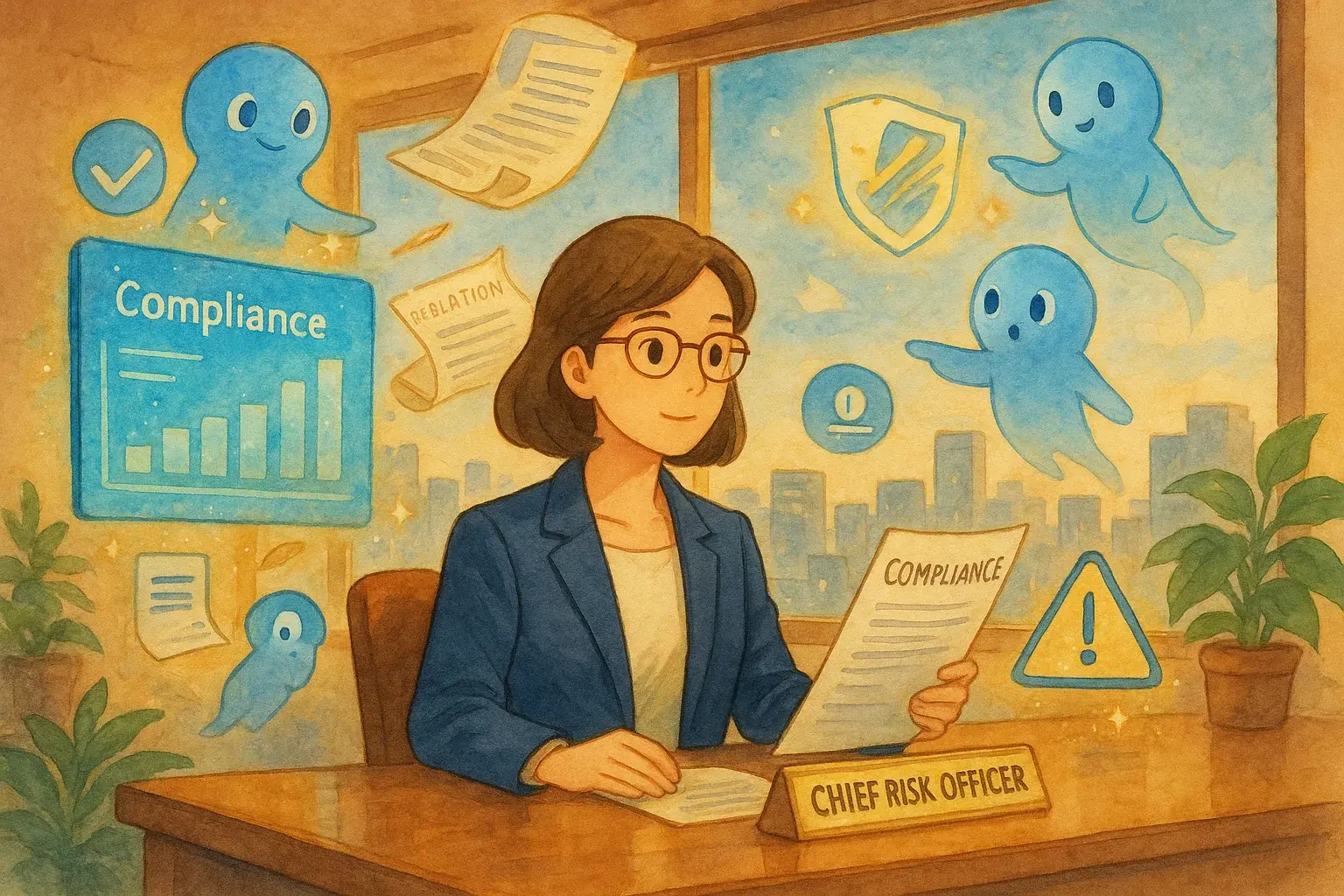
Compliance monitoring
Audit, consent, and a trail that travels with the record. We will not invent avoided-penalty euros.

AI Customer Service Transformation
Cases, knowledge, and the channel the customer already uses. An agent on the repeats. A person on the exceptions.

AI IT Support Transformation
Ticket routing and a knowledge desk. An agent on the repeats. A person on the exceptions.
Questions
What we actually say.
- Is IndyKite a replacement for Okta or Azure AD?
- No. It sits with your existing IdP. The graph adds relationship-aware authorization for agents, which a directory of users does not do on its own.
- Why is this listed under memory?
- Because authorization for agents is knowledge: who is related to what, and what that allows. It is memory the agent is not allowed to ignore.
- Do small pilots need this?
- Not on day one of a single internal copilot. You need it the moment an agent acts for a customer or a partner, or when two agents share data.
The brief
Agents still sharing one service account?
We will map the identities your agents act for and tell you whether IndyKite belongs in the first production cut.
Tell us the process
Name the job a person still does by hand. We read the org and write what is worth fixing.
Certified Partner since 2010 · MVP Hall of Fame · 200+ agents in production · UAE and US desks