
Salesforce MVP Hall of Fame · Certified Partner since 2010
Graph memory for agents that need to know how things relate.
Vector search finds similar text. It does not know that this clause belongs to that vendor, or that this patient is on that pathway. We implement Neo4j as the relationship layer under Claude, Gemini, or OpenAI: GraphRAG, not another pile of chunks. The first week is in the org, reading what already exists.
Certified Partner since 2010 · MVP Hall of Fame · 200+ agents in production · UAE and US desks
- 01Models · Claude, Gemini, OpenAI, Bedrock
- 02Agents · Agentforce, CrewAI, ADK, A2A
- 03Memory · Neo4j, Cognee, RAG
- 04Identity · IndyKite, SSO, entitlements
- 05Governance · policy, audit, human override
What we put in
The work on this layer.
The honest no: if the work is a software factory with a named delivery date, we are the wrong partner.
Use cases
Where this shows up in the work.
These are the use cases we usually pair with Neo4j.
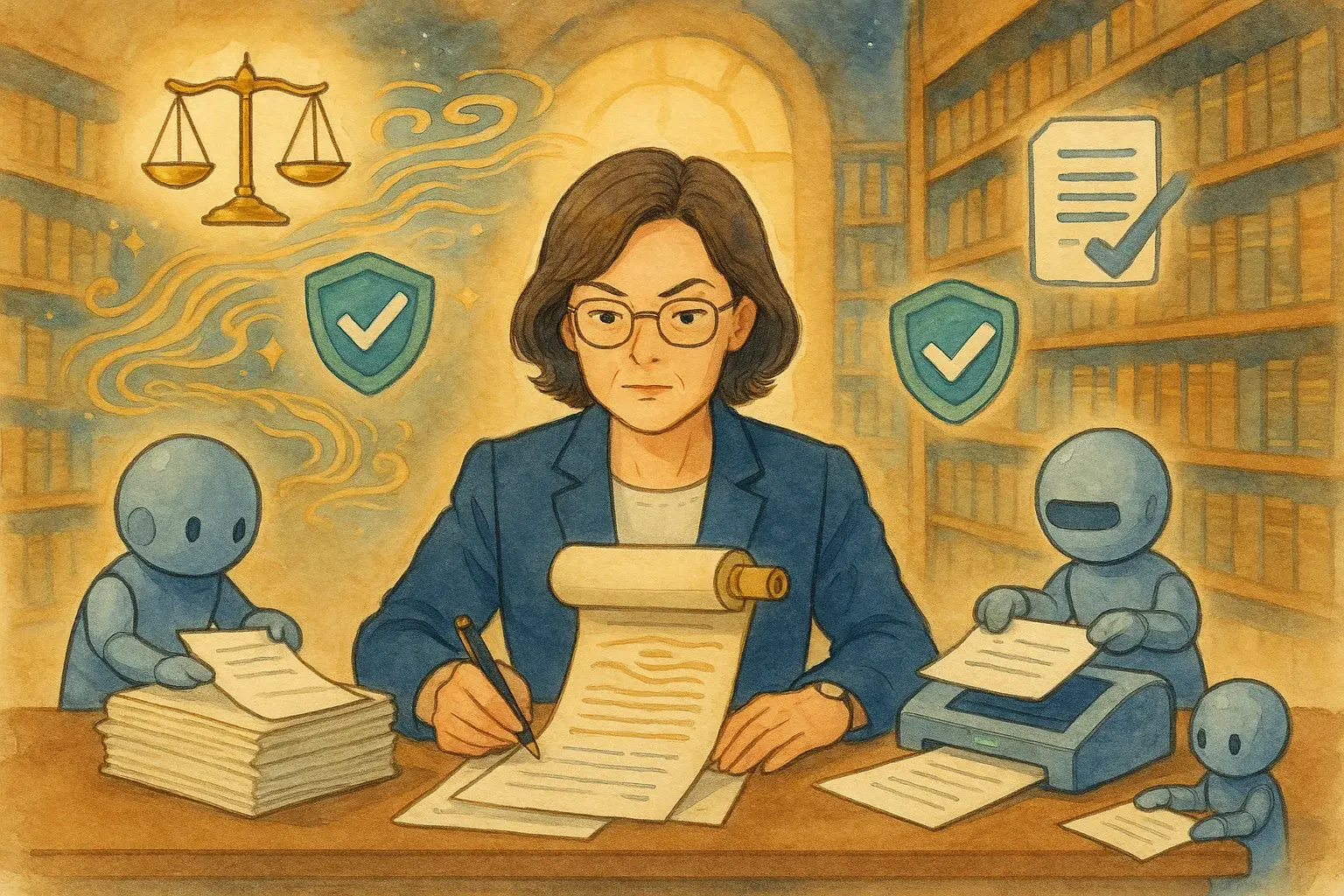
Legal document review
Contracts as a desk. Review, redline, and a lawyer on the exceptions. We will not invent a 209% ROI.
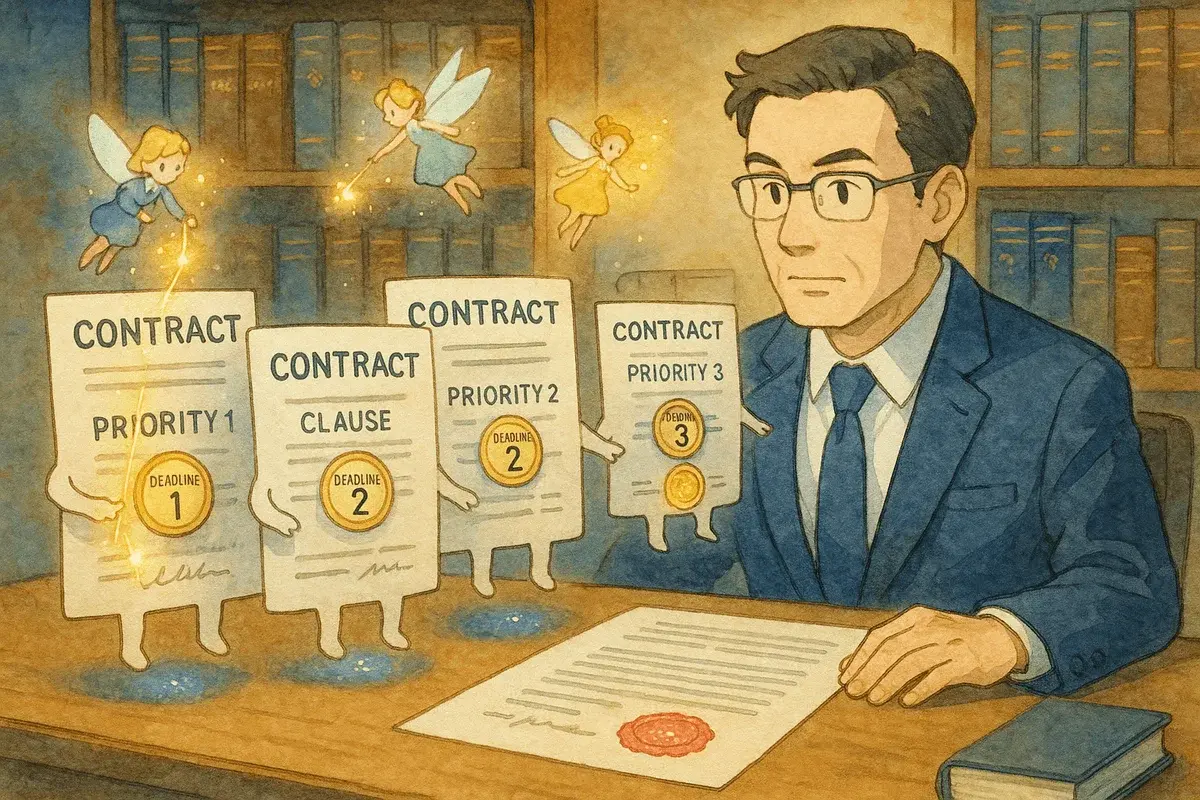
Contract management
Contract lifecycle as a desk. Intake, review, and a lawyer on the exception. Not a $2.2M breach slide.
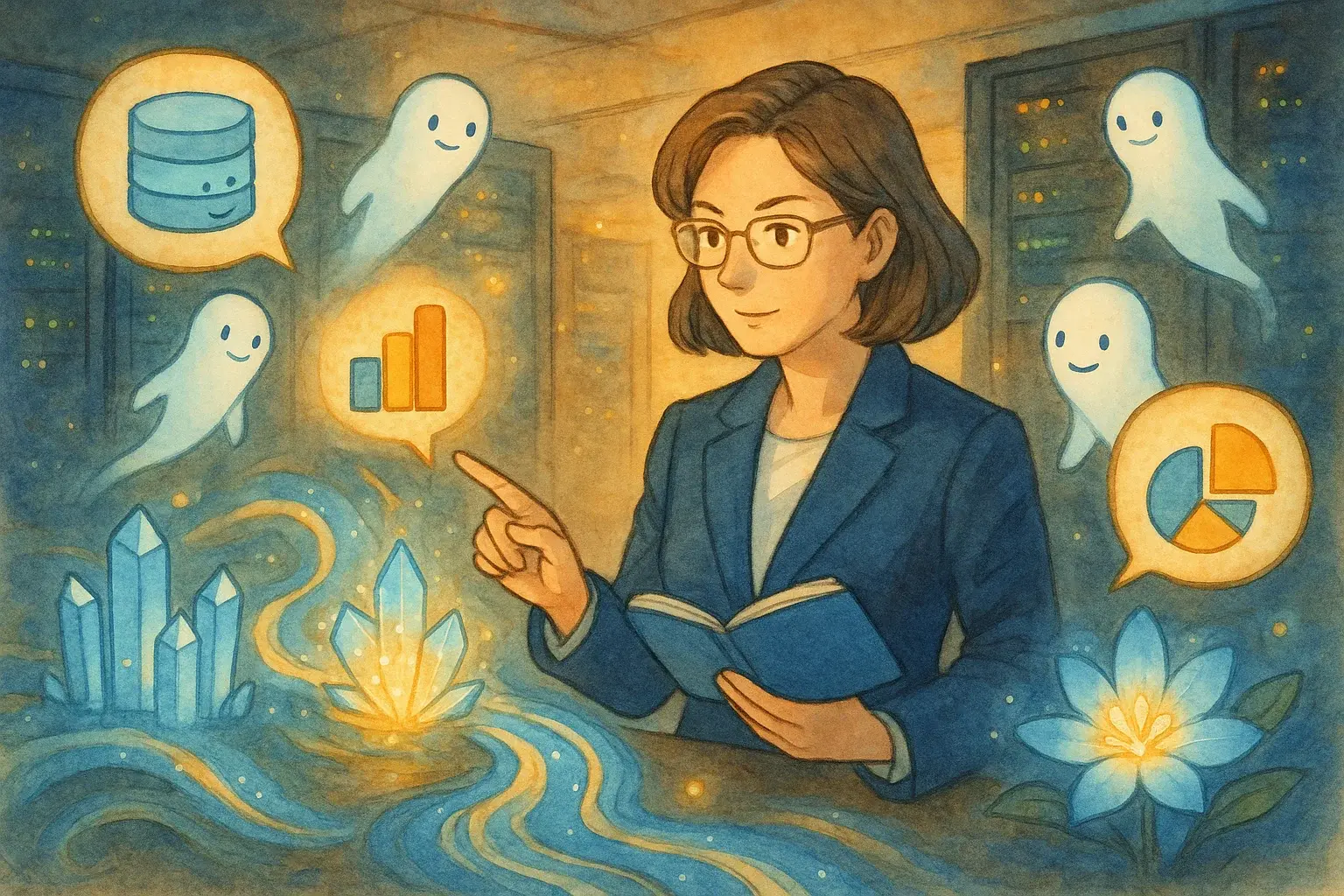
Data analytics
A view on records the org already trusts. Tableau or the CRM report after the duplicates are gone.
Questions
What we actually say.
- Why a graph instead of a vector database?
- Vectors are good at “text like this.” Graphs are good at “this is connected to that.” Agents that must not invent relationships need both, and we put Neo4j on the relationship side.
- Do you also implement Cognee?
- Yes. Cognee is often the memory API the agent talks to; Neo4j is the graph store underneath. We will tell you if you need one or both.
- Can the graph stay in our cloud?
- Yes. Aura or self-hosted, with the same residency rules as the rest of the stack.
The brief
Agents guessing at relationships they should know?
We will sketch the graph for one domain and tell you whether Neo4j, Cognee, or both belong in the build.
Tell us the process
Name the job a person still does by hand. We read the org and write what is worth fixing.
Certified Partner since 2010 · MVP Hall of Fame · 200+ agents in production · UAE and US desks